
Selling a home is a multi-step process that works best when each stage is handled with intention and clarity. From early planning to the final closing, understanding how the pieces fit together helps reduce stress, protect your timeline, and position your property to attract strong offers. A well-run sale balances preparation, pricing, marketing, negotiation, and coordination, all while keeping your personal goals in focus. The following sections walk through each phase of the home-selling process in the order sellers typically experience it, offering practical insight into what happens, why it matters, and how each step supports a successful outcome.
How Do You Prepare Your Home Before Listing It for Sale?
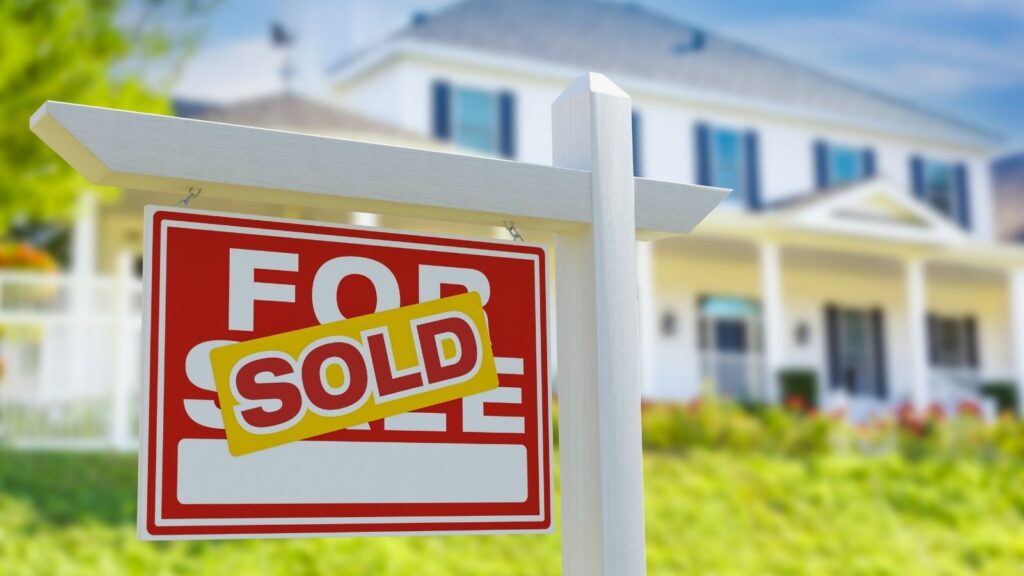
Preparing a home for sale starts with creating a space that feels well cared for, functional, and easy for buyers to imagine as their own. This stage focuses on addressing condition issues, improving presentation, and setting the foundation for a smooth transaction later. Sellers often begin by taking an honest look at the property, both inside and out, to identify repairs or maintenance items that could raise concerns during showings or inspections. Fixing leaky faucets, replacing worn hardware, touching up paint, and servicing major systems can help avoid red flags that slow down negotiations.
Decluttering is another key part of preparation. Removing excess furniture, personal items, and cluttered décor makes rooms appear larger and brighter. Closets, cabinets, and storage areas should feel organized, since buyers often open doors and drawers during showings. Deep cleaning, including carpets, windows, and baseboards, reinforces the impression that the home has been consistently maintained. Curb appeal also matters at this stage, as first impressions begin before buyers step inside. Simple updates like trimming landscaping, refreshing mulch, and cleaning walkways can make a noticeable difference.
Many sellers also consider pre-listing inspections or walkthroughs to uncover potential issues early. While not required, this proactive step can provide clarity and help prioritize repairs that matter most to buyers. Preparing the home is about reducing friction, building confidence, and presenting the property in its best possible light. When this phase is handled thoroughly, the rest of the selling process tends to move more efficiently and with fewer surprises.
How Is the Right Listing Price Determined?
The right listing price is determined by combining market data, property details, and current buyer demand. Pricing a home accurately from the start is one of the most important decisions a seller makes, as it directly influences interest, showing activity, and final sale terms. The process typically begins with a comparative market analysis, which evaluates recently sold homes, active listings, and pending sales that are similar in size, condition, location, and features. These comparisons help establish a realistic price range based on what buyers are currently willing to pay.
Beyond comparable sales, pricing also considers the home’s unique features. Upgrades, layout, lot size, and overall condition all affect value. Market conditions also play a role, including inventory levels, interest rates, and seasonal trends. In a competitive market, strategic pricing can attract multiple offers, while in a slower market, precision becomes even more important to avoid extended time on the market. Overpricing often leads to fewer showings and later price reductions, which can signal hesitation to buyers.
Seller goals are also part of the pricing conversation. Timeline expectations, relocation needs, and financial considerations may influence whether pricing leans more aggressively or conservative. The goal is to position the home competitively while protecting value. A well-priced listing generates momentum early, which is when buyer interest is typically strongest. By grounding pricing in data and current conditions, sellers increase the likelihood of attracting serious buyers and securing favorable terms.
What Happens When Your Home Goes Live on the Market?
When a home goes live on the market, it becomes visible to buyers across multiple platforms and begins attracting attention through marketing and showings. This moment marks the transition from preparation to active selling. Listing details, professional photos, and property descriptions are published, allowing buyers to evaluate the home before scheduling a visit. Early activity during this phase is closely watched, as it often provides feedback on pricing and presentation.
Showings usually begin shortly after the listing goes live. Sellers may be asked to keep the home in showing-ready condition, which includes maintaining cleanliness and being flexible with access. Open houses may also be scheduled to generate additional exposure and allow multiple buyers to view the home within a short timeframe. During this period, feedback from buyers and agents can help assess how the home is being received. Comments about layout, condition, or price can indicate whether adjustments are needed.
Marketing efforts continue throughout this phase, highlighting features that appeal to the target buyer pool. The goal is to generate enough interest to secure offers within a reasonable timeframe. The first few weeks are especially important, as new listings often receive the most attention. When the launch is well executed, sellers benefit from stronger engagement and a clearer sense of how the market is responding to the property.
How Do Offers and Negotiations Typically Work?
Offers and negotiations begin once a buyer decides to move forward and submit terms for consideration. An offer outlines the proposed purchase price along with conditions such as financing type, inspection periods, closing timelines, and any requested concessions. Sellers review each offer carefully, looking beyond price alone to evaluate overall strength and likelihood of closing. Factors like buyer financing, contingencies, and flexibility can be just as important as the dollar amount.
Negotiation is a common part of this stage and may involve counteroffers. Sellers can respond by accepting the offer as written, rejecting it, or proposing changes. Multiple-offer situations require careful comparison, as the highest price does not always yield the best outcome. Clear communication and timely responses help keep negotiations productive and professional. Once both parties agree on terms, the offer becomes a binding contract.
This phase sets expectations for the remainder of the transaction. Well-managed negotiations protect the seller’s interests while keeping the deal moving forward. Understanding how offers are structured and how negotiation works allows sellers to make informed decisions with confidence. The goal is to reach an agreement that aligns with financial goals, timing needs, and the buyer’s overall comfort with their ability to complete the purchase.
What Role Do Timelines and Contingencies Play in the Selling Process?
Timelines and contingencies define how the home sale moves from contract to closing and help set clear expectations for both parties. Once an offer is accepted, the contract outlines specific deadlines for inspections, financing approval, appraisal completion, and closing. These dates are not suggestions; they are binding milestones that keep the transaction organized and progressing forward. Understanding these timelines allows sellers to plan moves, coordinate work obligations, and prepare for possession transfer with confidence.
Contingencies are conditions that must be met for the sale to proceed. Common contingencies include inspections, appraisals, financing, and, sometimes, the sale of the buyer’s existing home. Each contingency provides a window for the buyer to complete due diligence. During this period, the home is typically considered under contract but still dependent on those conditions being satisfied. Sellers should be aware of which contingencies are in place and how long each lasts, as this affects certainty and potential exposure to delays.
Managing timelines requires responsiveness. Promptly reviewing inspection requests, granting appraiser access, and returning paperwork help prevent unnecessary extensions. When deadlines are missed or communication slows, momentum can suffer. In some cases, sellers may agree to timeline adjustments if they support the overall success of the transaction, but these decisions should always be made with a clear understanding of the impact.
Timelines and contingencies protect both parties while creating structure. When sellers understand how they work and stay engaged throughout each phase, the transaction is more predictable, efficient, and easier to manage from contract to closing.
What Happens After You Accept an Offer?
After an offer is accepted, the transaction moves into the under-contract phase, where several important steps take place. The buyer typically begins the inspection process, during which a professional evaluates the home’s condition. Inspection results may lead to requests for repairs, credits, or other adjustments. Sellers review these requests and negotiate as needed, deciding which items to address based on the contract and overall deal structure.
At the same time, the buyer’s lender orders an appraisal to confirm the home’s value. The appraisal ensures the agreed-upon price aligns with market data. If the appraisal meets or exceeds the contract price, the transaction moves forward. If it comes in lower, further negotiation may be required. Throughout this phase, the contract’s timelines guide each step, making organization and responsiveness essential.
Paperwork and coordination continue behind the scenes, including title work and insurance verification. While this stage may feel quieter than the listing period, it is highly active and detail-driven. Staying informed and prepared helps prevent delays. Once inspections, appraisal, and financing conditions are satisfied, the transaction progresses toward closing with greater certainty.
How Do Inspections and Appraisals Affect the Sale?
Inspections and appraisals play a key role in confirming the home’s condition and value. Inspections focus on the physical aspects of the property, including the structure, systems, and safety features. Buyers use inspection findings to understand potential issues and plan future maintenance. Sellers may be asked to address certain concerns, especially those related to functionality or safety. Negotiation during this phase should be guided by reasonableness and the terms of the contract.
The appraisal focuses on value rather than condition. Conducted by a licensed appraiser, it compares the home to recent sales to ensure the price aligns with market standards. A strong appraisal supports the agreed-upon price, while a low appraisal may prompt further discussion. Sellers may provide additional information about upgrades or comparable sales to support value if questions arise.
Both steps are designed to protect the buyer and lender, but they also provide sellers with clarity. When managed effectively, inspections and appraisals reinforce confidence in the transaction. Understanding their purpose and potential outcomes helps sellers navigate this phase with less uncertainty and more control.
What Does the Closing Process Involve for Sellers?
The closing process involves finalizing documents, transferring ownership, and completing the financial transaction. As closing approaches, sellers review settlement statements that outline proceeds, fees, and credits. This review ensures accuracy and avoids surprises on closing day. Any remaining conditions from the contract must be satisfied before documents can be signed.
Sellers typically prepare to vacate the property in accordance with the agreed-upon possession terms. This includes removing personal belongings, completing final cleaning, and ensuring the home is in the condition specified in the contract. A final walkthrough allows the buyer to confirm that the property meets expectations before closing.
On closing day, sellers sign documents that transfer ownership to the buyer. Once funds are disbursed and recorded, the sale is officially complete. This stage marks the culmination of the selling process and the transition to the next chapter. Understanding what to expect helps sellers approach closing with confidence and clarity.
How Long Does the Home Selling Process Usually Take?
The length of the home-selling process varies based on market conditions, pricing, and property readiness. Preparation may take a few weeks, while time on market can range from days to months, depending on demand. Once under contract, the closing period typically lasts several weeks, guided by financing and inspection timelines.
Sellers who prepare thoroughly and price competitively often experience shorter timelines. Flexibility with showings and responsiveness during negotiations also contribute to efficiency. While every sale is unique, having realistic expectations helps reduce stress and supports better decision-making throughout the process.
Understanding timing allows sellers to plan moves, coordinate purchases, and manage finances with greater confidence. A clear view of the overall timeline supports a smoother experience from start to finish.
What Can Sellers Do to Keep the Process Moving Smoothly?
Sellers can keep the process moving smoothly by staying organized, responsive, and informed. Clear communication, timely decisions, and attention to detail reduce delays and misunderstandings. Maintaining the home’s condition during showings and promptly addressing requests support buyer confidence.
Preparation, realistic pricing, and flexibility all contribute to momentum. When sellers understand each phase and their role within it, the transaction is more likely to progress efficiently. A smooth process benefits everyone involved and helps achieve a successful closing.
Ready to Take the Next Step?
Selling a home involves many moving parts, but each step builds toward a clear outcome when handled with care and intention. From preparation and pricing to negotiations and closing, understanding the process creates confidence and reduces uncertainty. When you are ready to sell and want guidance tailored to your goals and timeline, reach out to me to talk through the next steps and start planning a successful sale.